Episode 53

Cancer Researcher Becomes Survivor
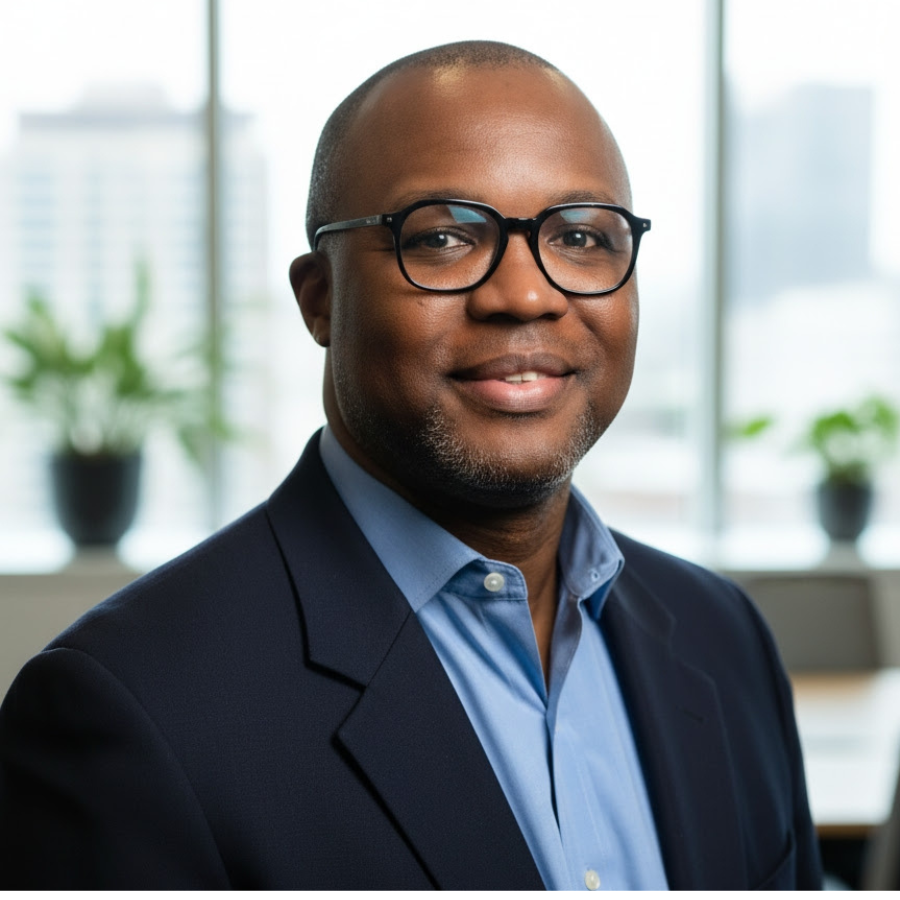
with Larry Coffer

What can a cancer researcher teach us when he suddenly finds himself sitting in the patient chair?

Larry Coffer spent more than 20 years at MD Anderson Cancer Center supporting ovarian and breast cancer research, helping teams develop treatments and improve patient outcomes. Long before his own diagnosis, cancer shaped his life through his stepfather’s battle with colon cancer. That experience inspired a career dedicated to helping others. Then, while training for a marathon, a routine physical revealed a rare cancer called extramedullary plasmacytoma. What began as a standard checkup quickly became a life-changing journey.

Larry shares what it was like to move from researcher to patient, receive treatment at the institution where he built his career, and navigate the uncertainty that comes with a rare diagnosis. He opens up about the emotional toll of cancer, the importance of leaning on friends, family, faith, and community, and how running helped him process the experience. He also discusses his work as a stem cell donor and advocate, helping others understand the life-saving impact of bone marrow and stem cell donation.

Larry’s story is a reminder that a diagnosis does not define who you are. With support, purpose, and hope, it is possible to keep moving forward one step at a time.

Highlights:

1. How a routine health screening uncovered a rare cancer with no warning signs

2. What changes when a cancer researcher becomes a cancer patient

3. Why support systems matter even for the people who seem strongest

4. How running, faith, and community can help during treatment and recovery

5. What stem cell donation really involves and why more donors are urgently needed

Mentioned Resources:

CanCare- www.cancare.org

Larry’s Marathon Fundraiser for CanCare - https://fundraisers.hakuapp.com/larry-coffer

About the Guest:

Larry Coffer is a plasma cell cancer survivor, cancer researcher, stem cell donor, and marathon runner. For more than 20 years, he has led groundbreaking research at MD Anderson Cancer Center focused on ovarian and breast cancer. Then a routine physical before a marathon changed everything. Larry completed 20 rounds of radiation and rang the bell in January 2026. His running community has a special connection to CanCare, a full-circle moment. Larry shares what happens when the science becomes personal, and what he found on the other side.

Explore other Podcast Episodes

Ep 57

The Gift Wrapped in Barbed WIre

with Dee Manuel
Can a second cancer diagnosis become the moment that finally leads you back to yourself? Dee Manuel is an 18-year breast cancer survivor, coach, author, speaker, CanCare volunteer, and member of the Greater Houston Sisters Network. Diagnosed with stage two breast cancer at 35, Dee faced chemotherapy, radiation, surgery, and a recurrence three years later. Her story explores breast cancer recovery, caregiver support, emotional stress, authentic living, and turning pain into purpose. After her second diagnosis, a compassionate nurse urged Dee to reduce the stress in her life. Those words became a turning point. Dee began to face the emotions, fear, and people-pleasing patterns she had buried for years. She made hard choices, learned to care for herself without guilt, and found the courage to live honestly. Dee shares her “E plus R equals O” tool, which shows how our response to an event can shape its outcome. She also explains why movement, nourishing foods, emotional care, and community support became part of her healing. Now, she supports survivors and caregivers with the wisdom she gained. Her message is simple: look for the gift, even when it comes wrapped in barbed wire. Pain can reveal your strength, purpose, and hope. Highlights:  How to recognize when stress, fear, or hidden emotions may be calling for deeper care.  Why putting yourself first can help you become more present for the people you love.  A simple way to separate difficult events from the meaning you give them.  How sharing your experience can support others while continuing your own healing.  Why courage often means taking action while fear is still present. Mentioned Resources: CanCare- www.cancare.org Book – www.cancare.org/hopebook Dee’s website About the Guest: Dee Manuel is a two-time breast cancer survivor, coach, author, and speaker who helps others turn pain into purpose. After being diagnosed with Stage II breast cancer at 35, and facing a recurrence three years later, Dee discovered the connection between stress, suppressed emotion, and disease, and used that insight to rebuild her life around authenticity and self-worth. She now works with clients through her signature trifecta philosophy, guiding them from survival to purpose. Dee is deeply involved with the Greater Houston Sister Network and serves as a CanCare volunteer, walking alongside others the way someone once walked alongside her.
Ep 56

Rediscovering Identity After Caregiving

with Jill Kelly & Diane Rolston
How do you find yourself again after caregiving becomes your entire identity? When Jill Kelly, a retired physical therapist, became her husband Ron's caregiver after his esophageal cancer diagnosis, she spent more than six years balancing medical care, emotional support, and the uncertainty that comes with living through cancer. After Ron's death, grief coach and life coach Diane Ralston helped Jill navigate the painful journey of rebuilding her identity while honoring the life and love they shared. Jill shares the realities of caregiving, the emotional weight that often goes unseen, and the challenge of learning who you are when the role of caregiver ends. Diane introduces practical frameworks that help caregivers understand why they often lose themselves and offers simple tools to begin healing without guilt or pressure. Together, they explore the importance of feeling grief instead of avoiding it, discovering personal values, setting healthy boundaries, and choosing purpose one step at a time. Whether you're caring for someone with cancer, grieving the loss of a loved one, or supporting someone who is, this conversation offers reassurance that healing doesn't mean leaving someone behind. It means carrying their love forward while giving yourself permission to live fully again. Hope often returns through small moments, steady support, and the courage to take the next step. Highlights:  Learn why caregivers often lose their sense of identity and how to recognize it before burnout takes over.  Discover practical frameworks for moving through grief without rushing the healing process.  Hear why giving yourself permission to feel emotions is an essential part of recovery.  Understand how values, boundaries, and self-care help rebuild a meaningful life after loss.  Find encouragement that healing isn't about moving on. It's about carrying love forward while choosing life again. Mentioned Resources: CanCare- www.cancare.org Diane’s website - https://www.dianerolston.com/ About the Guest: Jill Kelly spent years as a physical therapist, helping others heal and rebuild their strength. Then her husband Ron was diagnosed with esophageal cancer, and the healer became the caregiver. Jill walked beside him through every stage, and after his passing, she faced the work of rebuilding her own identity from the ground up. Diane Rolston is a life and business coach on a mission to help women find balance and reach their goals, even when life feels overwhelming. Her coaching programs have guided women around the world in honoring their ambitions while carrying the real weight of everyday life. Diane helps people rebuild new futures through seasons of change.