Episode 52

Humor & Grace After 2 Cancers
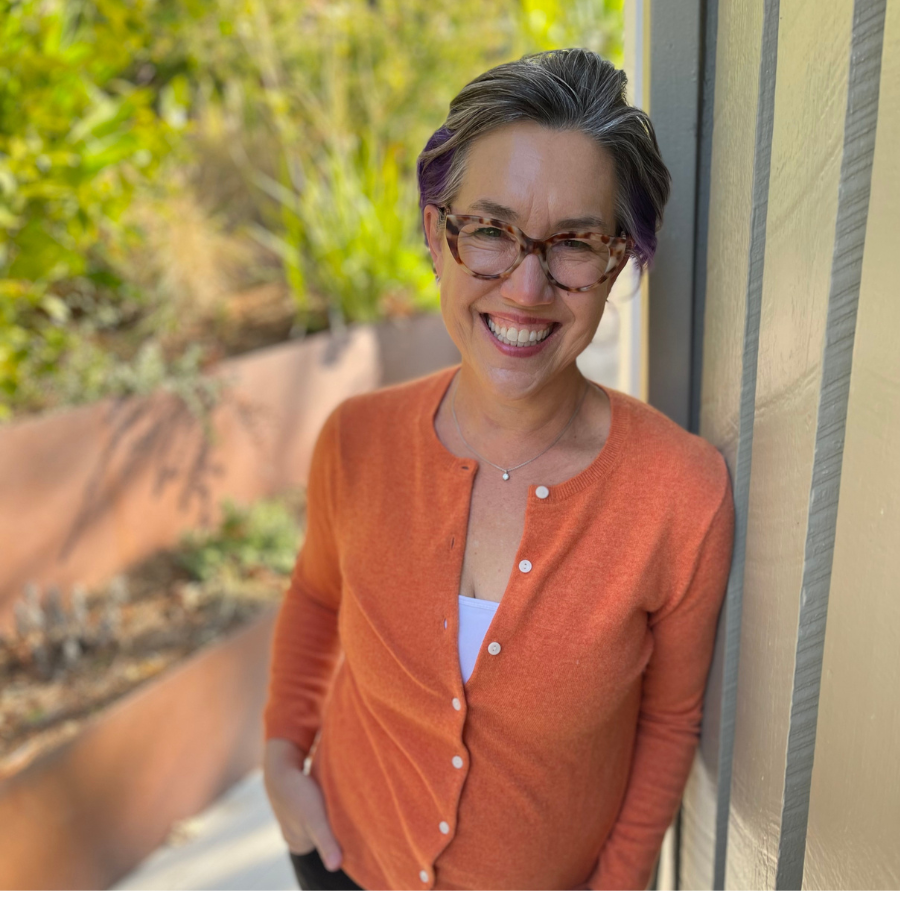
with Sarah McDonald

What happens when one cancer diagnosis is followed by a second life-changing diagnosis before you’ve had time to process the first?

Sarah McDonald is a two-time cancer survivor, author, TEDx speaker, executive coach, and advocate for rare cancer research. While building a successful career at eBay and planning for motherhood, Sarah was diagnosed with a rare salivary gland cancer. Just weeks later, she learned she also had Stage 3 breast cancer after pushing for additionaltesting and trusting her instincts.  

Sarah shares the emotional toll of facing two cancers at once, the uncertainty of rare cancer treatment, and the heartbreak of learning cancer treatment would change her plans for having a family. She reflects on the doctors who changed her life, the importance of self-advocacy, and how integrative practices such as meditation, guided imagery, yoga, and acupuncture helped her find calm during the most difficult moments. She also discusses the inspiration behind her books, The Cancer Channel and The Cancer Companion, and how her experience led her to become a speaker, mentor, and advocate for others facing cancer.  

Sarah’s story is a reminder that even in the darkest seasons, hope can grow through connection, self-advocacy, and the decision to use your experience to help someone else find their way forward.

Highlights:

  Why trusting your instincts and asking more questions can change the course of your care.  

  How to navigate the fear, uncertainty, and emotional weight that often follows a cancer diagnosis.  

  The role integrative therapies can play alongside medical treatment during recovery.  

  What it looks like to find purpose and meaning after a life-changing health crisis.  

  How friends, family, and caregivers can show up in ways that truly help someone facing cancer.

Mentioned Resources:

CanCare- www.cancare.org

Sarah McDonald – www.sarahemcdonald.com  

About the Guest:  

Sarah McDonald is a two-time cancer survivor, executive coach, and fierce advocate for those navigating life's hardest seasons. Diagnosed simultaneously with a rare salivary gland cancer and Stage III Breast Cancer, Sarah faced the unimaginable and came out the other side with a mission. She is the author of "The Cancer Channel" and "The Cancer Companion," a TED Talk speaker, a champion for Cycle for Survival with Memorial Sloan Kettering, and a coach who brings decades of executive leadership experience to her work. Sarah continues to use her voice to help others move forward.
Explore other Podcast Episodes

Ep 55

One Diagnosis. 3,000 Women Helped.

with Lyndsay Levingston
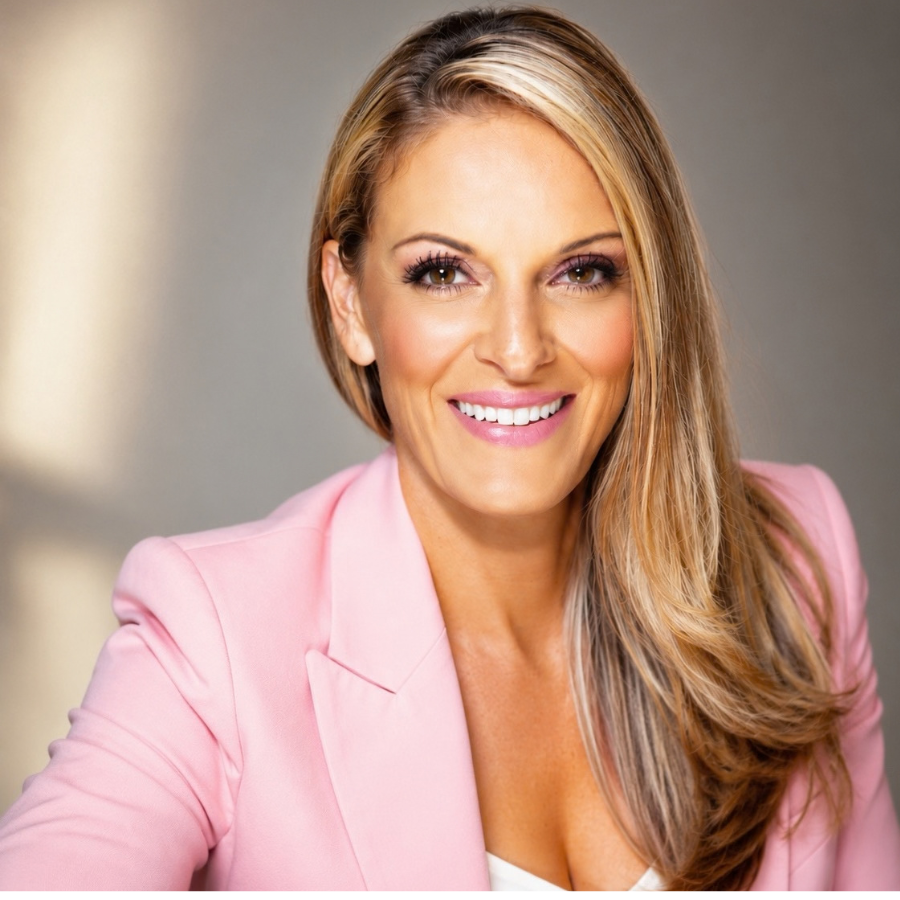
How do you turn a life-changing cancer diagnosis into a mission that helps thousands of others? At 37 years old, Lindsay Levingston was building a successful career in television news in New York City when she discovered a lump that would change the course of her life. The diagnosis was stage 2B triple-negative breast cancer. What followed was a journey through treatment, difficult decisions, and unexpected challenges that ultimately led her to a greater sense of purpose. Today, Lindsay is a breast cancer survivor, advocate, speaker, and founder of Survive Her, a nonprofit dedicated to education, support, and empowerment for women affected by breast cancer. As Lindsay reflects on her diagnosis, she shares how faith, family, and community became her foundation. What began as a desire to tell her story during the pandemic grew into Survive Her, a nonprofit dedicated to breast health education, support, screening awareness, and survivorship. She discusses the growing number of young women facing breast cancer, the importance of knowing your family history, and why every survivor's story matters. This conversation is a powerful reminder that hope is medicine, support changes lives, and purpose can emerge from places we never expected. Lindsey's story offers encouragement for anyone facing cancer and a call to use your voice, your experience, and your compassion to help others along the way. Highlights: 1. Learn why knowing your family history can be a critical part of early cancer detection. 2. Discover how support systems can impact both treatment and recovery. 3. Understand the unique challenges younger adults face after a cancer diagnosis. 4. Hear how faith and mindset can help people navigate uncertainty and fear. 5. Learn how personal adversity can become the foundation for meaningful service and advocacy. Mentioned Resources: CanCare- www.cancare.org SurviveHER – https://www.imasurviveher.org/ ‍About the Guest: Lyndsay Levingston is a breast cancer survivor, nonprofit founder, and tireless advocate for women navigating their breast health journey. After her own diagnosis, Lyndsay turned lived experience into lasting impact, building SurviveHER into a vibrant sisterhood offering education, financial assistance, wellness resources, and access to life-saving screenings for uninsured and underinsured women. Since 2020, SurviveHER has supported more than 3,000 women and received national recognition, including acknowledgments from the United States Congress. Her work has been featured in ESSENCE, Oprah Daily, NBC News, and Yahoo!.
Ep 54

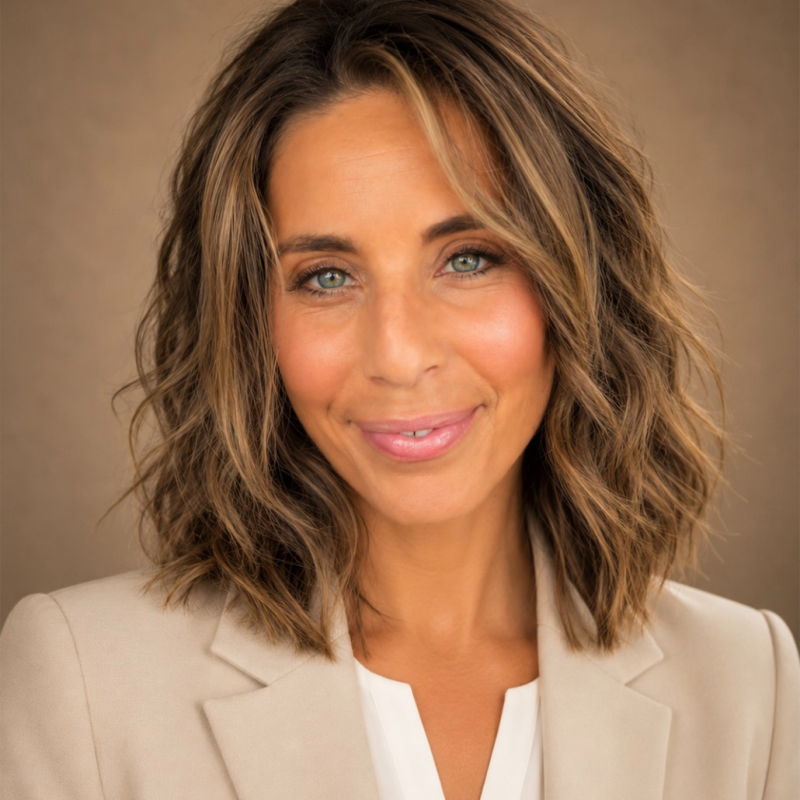
When Medicine Meets Compassion

with Susan Sabo-Wagner and Isabel Verastegui
What if one of the most powerful forms of cancer support comes from someone who has already walked the path before you? Darcie Wells sits down with Susan Sabo-Wagner, Vice President of Clinical Innovation at the American Oncology Network (AON) , and Isabel Verastegui, Manager of Care Coordination at AON, to explore how personal cancer experiences can shape the way patients are supported. Susan shares how a leukemia diagnosis at age 17 influenced her lifelong career in oncology nursing, while Isabel reflects on being diagnosed with triple-positive breast cancer at 41 while working in the oncology field herself. Both women open up about fear, uncertainty, treatment, and the support systems that helped them move forward. Their conversation highlights the importance of community oncology, the value of receiving care close to home, and the life-changing impact of peer support. Isabel explains how finding CanCare during treatment helped ease her anxiety and inspired her to become a volunteer for others facing cancer. Susan shares why emotional support is just as important as clinical care and how hope can help people navigate even the most difficult moments. This episode is a reminder that no one should face cancer alone. Whether you're in treatment, supporting a loved one, or navigating survivorship, there is strength in connection, comfort in shared experience, and always hope ahead. Highlights: • Why peer support often provides reassurance that even the best medical team cannot offer. • How community oncology is helping more people access high-quality cancer care closer to home. • Practical ways to manage fear, uncertainty, and anxiety after a cancer diagnosis. • What survivors learn about gratitude, perspective, and living one day at a time. • How healthcare organizations are expanding support beyond treatment to address emotional well-being. Mentioned Resources: CanCare- www.cancare.org AON - https://www.aoncology.com/ About the Guest: Susan Sabo-Wagner is an oncology certified nurse executive, Vice President of Clinical Innovation at the American Oncology Network, and a living testament to the resilience that defines the cancer journey. Diagnosed with leukemia as a teenager, Susan faced the fear and uncertainty that comes with a diagnosis that changes everything and came out the other side with a calling. She has spent her career transforming how cancer patients experience care across the country, bringing to that work something no credential can teach: the knowledge of what it truly means to sit in that chair. Isabel Verastegui is a Care Coordination Manager at the American Oncology Network, where she has spent 12 years working with cancer patients. In January 2022, at just 41 years old, Isabel was diagnosed with triple-positive breast cancer. Cancer did not stop her. It deepened her. Today she shows up not only for her patients at AON but as a CanCare volunteer for other women who find themselves navigating their own cancer journeys.