Episode 40


Hope for Cancer Caregivers
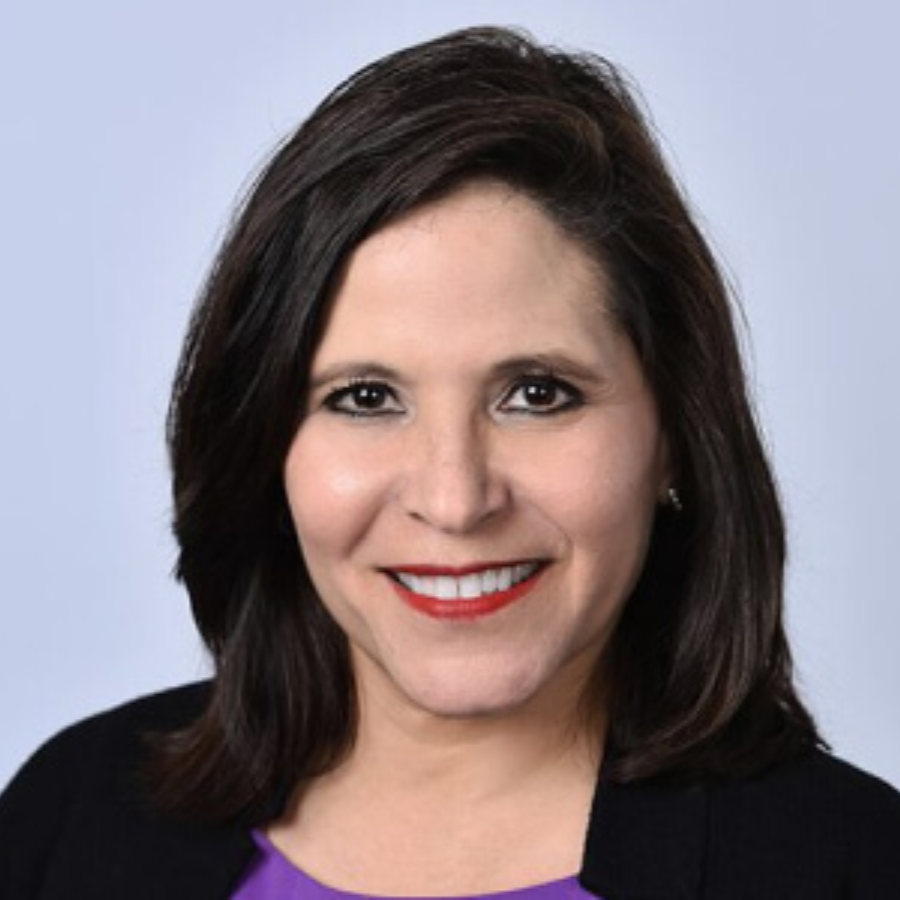
with ‍Rose Gerber

What helps a caregiver stay steady when cancer changes everything?

Caregivers carry so much of the emotional weight of cancer, yet their needs are often overlooked. In this powerful episode, Darcie Wells joins the Community Oncology Alliance, hosted by Rose Gerber, for a conversation that sheds light on the unseen side of caregiving and the hope that grows when no one has to carry the burden alone.

Rose, a long-term breast cancer survivor, and Darcie talk about why caregivers deserve as much care, compassion, and emotional support as the person going through treatment. They discuss the role of trained peer volunteers and how emotional support changes the caregiving experience for both the patient and the family.

Darcie reflects on caring for her mother, stepfather, and grandmother as each faced cancer, all from a distance. She remembers wanting to help but not knowing where to turn, and later realizing how much a companion with lived experience would have eased the fear and isolation. Her message is clear. Your role matters. Caring for yourself strengthens the care you give. Hope grows when someone walks beside you with understanding.

Highlights:

-Learn why caregivers often hide their stress and how that impacts the support system.

-Hear how CanCare trains volunteers to provide safe, compassionate emotional space.

-Understand why relationship-based matching helps caregivers feel seen and understood.

-Discover simple communication habits that help caregivers support loved ones.

-Gain insight into long-term caregiving needs and why support must adapt over time.

Mentioned Resources:

CanCare- www.cancare.org

Book – www.cancare.org/hopebook

COA - communityoncology.org

About the Guest:

Rose Gerber is a long-term breast cancer survivor and host of the Community Oncology Alliance podcast. Diagnosed while raising young children, Rose’s journey through treatment shaped her calling to ensure that others facing cancer are supported, informed, and heard. Today, she leads patient advocacy and education for the Community Oncology Alliance, managing the COA Patient Advocacy Network and working alongside oncologists, nurses, survivors, and policymakers across the country. Her work has taken her to Washington, D.C., national media platforms, and community cancer centers nationwide, empowering patients and protecting access to community-based cancer care.


is a long-term breast cancer survivor and host of the Community Oncology Alliance podcast. Diagnosed while raising young children, Rose’s journey through treatment shaped her calling to ensure that others facing cancer are supported, informed, and heard. Today, she leads patient advocacy and education for the Community Oncology Alliance, managing the COA Patient Advocacy Network and working alongside oncologists, nurses, survivors, and policymakers across the country. Her work has taken her to Washington, D.C., national media platforms, and community cancer centers nationwide, empowering patients and protecting access to community-based cancer care.

Explore other Podcast Episodes

Ep 47

Feeding Hope, Finding Strength

with Patrice Surely
What if the key to healing isn’t just treatment, but how you support your body along the way? We are joined by Patrice Surley, oncology nutritionist and functional health expert with over 25 years of experience helping patients strengthen their bodies during cancer care. Patrice blends evidence-based nutrition with whole-person support, working alongside medical teams to improve outcomes and quality of life. Her journey began with her own health struggles, where diet and lifestyle changes made a real difference. That personal turning point shaped her belief that healing starts by meeting each person where they are and helping them take simple, meaningful steps forward. Patrice explains the concept of immuno stress and how factors like poor nutrition, sleep, and emotional strain can weaken the immune system. She shares practical tools such as increasing colorful fruits and vegetables, prioritizing protein, and addressing root causes instead of masking symptoms. Her work focuses on reducing side effects, improving tolerance to treatment, and helping patients feel more in control. Her message is clear and hopeful. Healing takes time. Small changes matter. Stay open, stay consistent, and trust that progress is possible even in the hardest moments. Highlights: How small nutrition changes can unlock big shifts in recovery Why treating root causes can improve cancer treatment outcomes What immuno stress means and how it affects healing How to work with your medical team for whole-person care Why simple habits often outperform complicated health plans Mentioned Resources: CanCare- www.cancare.org Book – www.cancare.org/hopebook Patrice’s website - https://www.patricesurley.com/ About the Guest: Patrice Surley is an oncology nutritionist and functional health expert with more than 25 years of experience helping people heal from the inside out. Her approach is rooted in evidence-based care, but what truly sets her apart is her heart: the way she listens, partners with patients, and helps them understand what their bodies need to restore balance and strength. Patrice works alongside oncologists, functional medicine doctors, and organizations like Do Cancer, helping patients build care teams that support the whole person: body, mind, and spirit.
Ep 46

The Strength of Instincts

with Jackie Garcia
What happens when you know something is wrong with your body but no one will listen? In this episode of Hope in the Face of Cancer, Darcie Wells speaks with Jackie Garcia, a young adult cancer survivor whose persistence led to a life-saving diagnosis. For five years Jackie searched for answers while dealing with severe symptoms including rapid weight gain, intense pain, numbness in her legs, and overwhelming fatigue. Doctor after doctor dismissed her concerns and told her to simply lose weight or manage anxiety. At age 31, a CT scan finally revealed the truth. Jackie had a 20-pound tumor wrapped around multiple organs. After connecting with specialists at MD Anderson Cancer Center, Jackie underwent major surgery to remove the tumor. The moment she heard the words “you have cancer,” she felt something unexpected: relief. At last she had proof that she had been right about her body all along. Jackie shares how that experience changed the way she sees herself and her life. She learned to trust her instincts, show herself compassion, and slow down after years of pushing herself through work and stress. She also discovered the power of community through young adult cancer support groups and survivorship connections. Her message is simple and powerful. Trust your body. Ask for help. And remember that hope can still exist even in the hardest moments of a cancer journey. Highlights: • Trusting Your Body – Jackie explains how years of unexplained symptoms pushed her to keep advocating for answers even when doctors dismissed her concerns. • The Power of One Doctor Who Listens – A visiting physician ordered the CT scan that finally revealed the tumor and changed everything. • The Moment of Diagnosis – Jackie describes the surprising sense of relief she felt when she finally received an answer. • Life After Cancer Changes Priorities – Her experience shifted her mindset away from career obsession toward rest, self-compassion, and meaningful relationships. • Why Community Matters During Cancer – Support groups and survivor connections became a critical part of her emotional healing and survivorship. Mentioned Resources: CanCare- www.cancare.org Book – www.cancare.org/hopebook About the Guest: Jackie Garcia is a 31-year-old retroperitoneal liposarcoma survivor and advocate. She spent five years searching for answers before being diagnosed with a rare cancer and a 20-pound tumor she named “Tina”. Through it all, she discovered strength in humor, healing in community, and the profound truth that her body, even in its most vulnerable state, was still worthy of love. Now living with no evidence of cancer, Jackie shares her journey with tenderness and hope, walking alongside other young adults navigating cancer and reminding them they are never alone on this uncertain road.