Episode 43

Nursing Dean’s Hope After Cancer
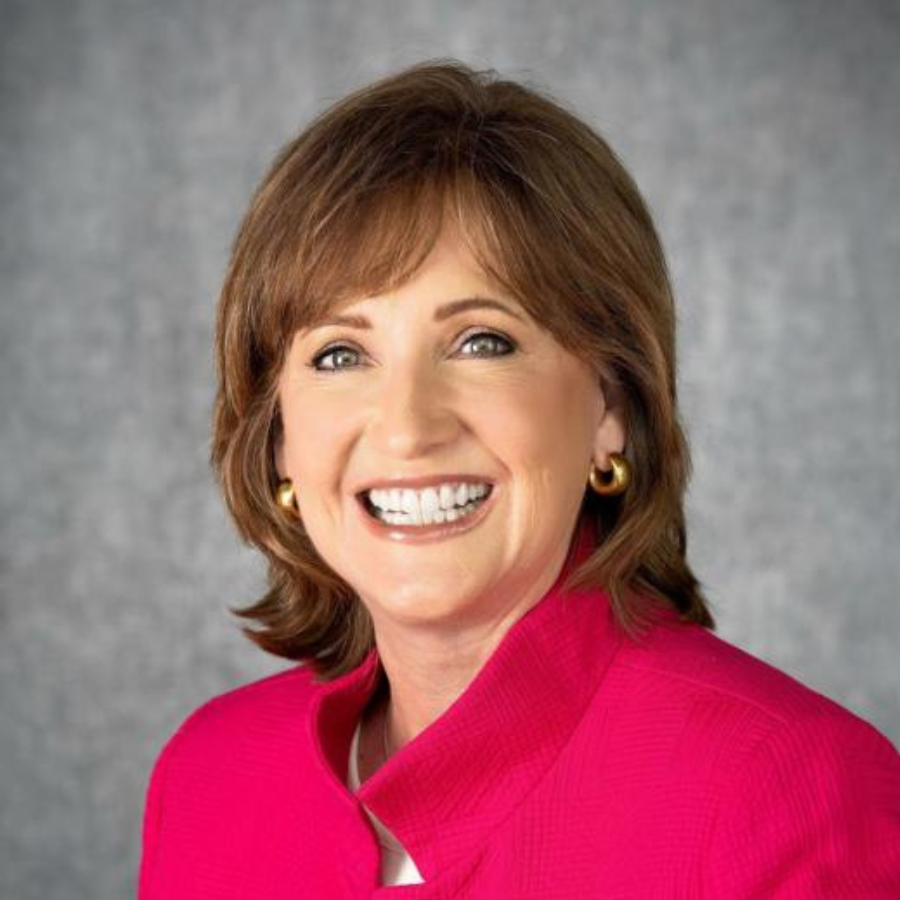
with Dr. Lorraine Frazier

What happens when the person shaping future nurses suddenly becomes the patient?

Dr. Lorraine Frazier, Dean of the Columbia University School of Nursing and a nationally respected nursing leader, joins Darcie Wells to share how a 2022 breast cancer diagnosis transformed her life and leadership. With decades of experience in nursing education, research, and evidence-based practice, Dr. Frazier brings a rare perspective shaped by both professional expertise and lived experience as a survivor.

Her journey into nursing began at age eleven while caring for a chronically ill father. That early exposure taught her how deeply families experience illness and how much compassionate communication matters. Years later, cancer placed her on the other side of care, revealing how easily patients can feel unseen during moments that are anything but routine.

Dr. Frazier reflects on the power of human connection, presence, and being truly heard. She shares how small gestures can change everything for someone facing treatment. She also explains how lifestyle changes, movement, nutrition, faith, and stress management became essential tools in her healing.

Today, she feels healthier than ever and more grounded in what matters most. Her story reminds listeners that healthcare is not only about science. It is about humanity. Hope grows when people walk alongside one another, especially in the moments that feel most uncertain.

Highlights:

• Why a patient’s “first day” is never routine, even when it feels ordinary to providers
• How evidence-based care and human connection must work together
• What breast cancer taught a nursing leader about presence and touch
• How small daily choices can support healing and long-term health
• Why sharing your story can become a lifeline for someone else

Mentioned Resources:

CanCare- www.cancare.org

Book – www.cancare.org/hopebook

About the Guest:  

Dr. Lorraine Frazier is the Dean of the Columbia University School of Nursing, a nationally respected healthcare leader, and a breast cancer survivor. Since 2018, she has led one of the nation’s premier nursing programs with a vision rooted in equity and compassion.

In 2022, her work became deeply personal when she was diagnosed with breast cancer. Her journey through treatment strengthened her commitment to patient-centered care and advocacy. She now brings both leadership and lived experience to her role on the CanCare Board of Directors, supporting others on a path she knows firsthand.


Explore other Podcast Episodes

Ep 42

A Caregiver’s Guide to Grief, Healing, and Hope

with Christina Napoleon
What happens when caregiving, grief, and love all collide at once? Christina Napoleon is a number one bestselling author, certified grief educator, keynote speaker, and the world’s leading positive widow coach. After caring for her husband through a five-year terminal cancer journey while raising their young daughter, Christina faced widowhood, solo parenting, and profound loss with little support that truly understood spousal grief. Her turning point came when she realized that many grief spaces focused only on loss, not on how to live after it. Through her own healing, Christina began creating the tools she wished had existed during her darkest days. From understanding anticipatory grief and widow's fog to redefining self-care for caregivers, she transformed pain into purpose. In this moving conversation, Christina shares what caregiving truly demands, why self-care is not selfish, and how grief impacts the body, memory, and identity. She explains how small, compassionate practices can restore steadiness and how community becomes a lifeline after loss. Her story offers validation for caregivers, widows, and anyone navigating grief while still showing up for others. This episode serves as a reminder that love is profound, healing is not a linear process, and hope can return, gently, one breath at a time. 5 Key Highlights How anticipatory grief begins at diagnosis, not loss, and why that matters Why caregivers often lose themselves and how to begin reclaiming strength What widow's fog looks like physically, emotionally, and mentally How honest language helps children process illness and loss Why community and shared understanding are essential to healing Mentioned Resources: CanCare- www.cancare.org Book – www.cancare.org/hopebook Christina's book website – www.thepositivewidow.com‍About the Guest: Christina Napoleon is a #1 bestselling author, keynote speaker, certified grief educator, and the world’s leading Positive Widow coach. After caring for her husband through a five-year journey with terminal cancer while raising their young daughter, Christina emerged from profound loss to create the support she could not find. Through soul-centered tools, compassionate guidance, and community, she helps widows move through grief with gentleness and rediscover hope. Her book, The Positive Widow, and her private online community offer comfort, connection, and healing to women navigating life after loss. Christine is offering a free gift to our community:Email thepositivewidow@outlook.com to receive: • A Financial Reference Sheet After Loss • Hopeful Morning & Peaceful Evening Soulmaps, gentle checklists especially helpful for caregivers
Ep 41

Finding Holiday Joy with Cancer

with Darcie Wells
What happens when the holidays arrive while you’re still healing from cancer? In this solo reflection, host Darcie Wells, President and CEO of CanCare, speaks directly to cancer survivors and caregivers who feel out of sync with the “most wonderful time of the year.” She names the quiet realities of this season after cancer, including gratitude pressure, FOMO around old traditions, scanxiety before medical tests, caregiver exhaustion and the sharp ache of missing someone who is no longer here. Darcie shares the words of survivors who describe feeling like life is happening in two worlds at once, and reminds you that your feelings are valid, even when they are messy. She offers simple tools for this season: redefine what a “good” holiday looks like, set kind but clear boundaries, create new or gentler traditions, and honor both grief and gratitude without pretending. She also suggests ways to remember loved ones with small memorial rituals while still allowing moments of peace and joy to emerge. Above all, Darcie invites you to see your presence as the greatest gift. Your holiday does not have to be perfect. It just has to be yours, and you do not have to walk through it alone. Tips For Managing The Holiday: The holidays can be beautiful, but after cancer, they can also feel overwhelming or emotionally complicated. If this season feels different than it used to, you are not alone. These tips can help you move through the holidays with more peace and self-compassion. 1. Redefine What “Holiday Success” Means Meaningful matters more than perfect. Smaller gatherings can feel deeply fulfilling. Quality time is more important than the number of events. Rest is a gift, not a weakness. Prioritize what matters and let the rest go. 2. Set Boundaries and Communicate Your Needs Say yes only to what feels manageable. It is okay to decline invitations or leave early. Let loved ones know how they can support you. Limit conversations that may feel triggering. Prepare simple responses such as “I am focusing on enjoying today.” Redirect intrusive questions. Ask a trusted person to help shift conversations. 3. Create Traditions That Fit Where You Are Now Choose traditions that bring genuine joy. Include gratitude practices that feel authentic. Build in breaks and recovery time. 4. Honor Your Emotions It is okay to feel sad, anxious, or overwhelmed. Grief and joy can coexist. Reach out for support when emotions feel heavy. 5. Care for Your Health Stay consistent with medication. Hydrate, rest, and care for your body. Honor your physical limits. 6. If You Are Missing Someone Create rituals that honor their memory. Light a candle, share their stories, or include something they loved. Allow space for grief and joy. A Gentle Reminder Your holidays do not have to look the way they used to. Cancer changes you, and it is natural for your celebrations to change to o. Make the focus presence, peace, and moments of connection. Your holiday season does not have to be perfect. It just has to be yours. Mentioned Resources: CanCare- www.cancare.org Book – www.cancare.org/hopebook