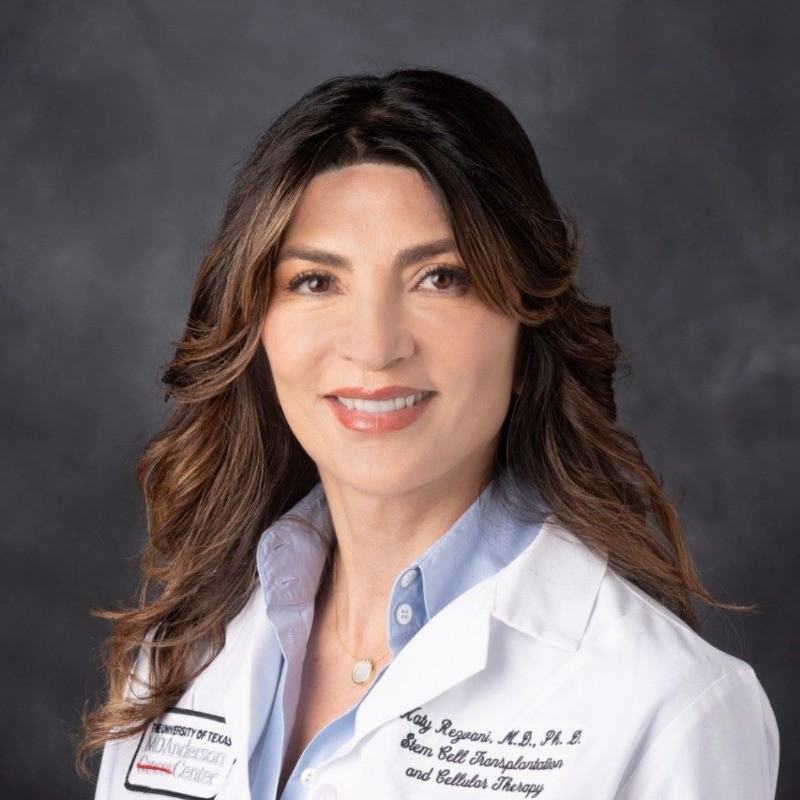
Episode 32

The Science of Hope

with Dr. Katy Rezvani

Dr. Katy Rezvani, world-renowned physician-scientist, leader, and innovator in cancer immunotherapy. She’s pioneering groundbreaking research at MD Anderson Cancer Center in cell therapy that is transforming how we approach cancer and offering new hope to patients who have exhausted all conventional options.

With warmth, compassion, and clarity, Dr. Rezvani shares her journey from childhood dreams of curing cancer to becoming a global leader in immune therapy. She gives heartwarming success stories from patients whose lives are being changed by her work and reflects on the urgency of making these therapies more effective and accessible worldwide.

Dr. Rezvani also opens up about the challenges and triumphs of pioneering new treatments in cell therapy (including CAR NK and CAR-T), the innovations her team is bringing to life, and the brighter future these breakthroughs hold for patients and their families.

This conversation is equal parts science and soul, reminding us that at the heart of every medical breakthrough is the hope of changing lives.

Mentioned Resources:

CanCare- www.cancare.org

About the Guest:  

Dr. Katy Rezvani is the Vice President and Head of the Institute for Cell Therapy Discovery & Innovation at MD Anderson Cancer Center, where she leads groundbreaking work in cell and immune therapies.  A recipient of numerous awards, she is dedicated to developing innovative treatments for patients who have exhausted standard options. Her vision and leadership are helping bring life-saving hope to patients and families worldwide.


Explore other Podcast Episodes

Ep 41

Finding Holiday Joy with Cancer

with Darcie Wells
What happens when the holidays arrive while you’re still healing from cancer? In this solo reflection, host Darcie Wells, President and CEO of CanCare, speaks directly to cancer survivors and caregivers who feel out of sync with the “most wonderful time of the year.” She names the quiet realities of this season after cancer, including gratitude pressure, FOMO around old traditions, scanxiety before medical tests, caregiver exhaustion and the sharp ache of missing someone who is no longer here. Darcie shares the words of survivors who describe feeling like life is happening in two worlds at once, and reminds you that your feelings are valid, even when they are messy. She offers simple tools for this season: redefine what a “good” holiday looks like, set kind but clear boundaries, create new or gentler traditions, and honor both grief and gratitude without pretending. She also suggests ways to remember loved ones with small memorial rituals while still allowing moments of peace and joy to emerge. Above all, Darcie invites you to see your presence as the greatest gift. Your holiday does not have to be perfect. It just has to be yours, and you do not have to walk through it alone. Tips For Managing The Holiday: The holidays can be beautiful, but after cancer, they can also feel overwhelming or emotionally complicated. If this season feels different than it used to, you are not alone. These tips can help you move through the holidays with more peace and self-compassion. 1. Redefine What “Holiday Success” Means Meaningful matters more than perfect. Smaller gatherings can feel deeply fulfilling. Quality time is more important than the number of events. Rest is a gift, not a weakness. Prioritize what matters and let the rest go. 2. Set Boundaries and Communicate Your Needs Say yes only to what feels manageable. It is okay to decline invitations or leave early. Let loved ones know how they can support you. Limit conversations that may feel triggering. Prepare simple responses such as “I am focusing on enjoying today.” Redirect intrusive questions. Ask a trusted person to help shift conversations. 3. Create Traditions That Fit Where You Are Now Choose traditions that bring genuine joy. Include gratitude practices that feel authentic. Build in breaks and recovery time. 4. Honor Your Emotions It is okay to feel sad, anxious, or overwhelmed. Grief and joy can coexist. Reach out for support when emotions feel heavy. 5. Care for Your Health Stay consistent with medication. Hydrate, rest, and care for your body. Honor your physical limits. 6. If You Are Missing Someone Create rituals that honor their memory. Light a candle, share their stories, or include something they loved. Allow space for grief and joy. A Gentle Reminder Your holidays do not have to look the way they used to. Cancer changes you, and it is natural for your celebrations to change to o. Make the focus presence, peace, and moments of connection. Your holiday season does not have to be perfect. It just has to be yours. Mentioned Resources: CanCare- www.cancare.org Book – www.cancare.org/hopebook
Ep 40


Hope for Cancer Caregivers

with ‍Rose Gerber
What helps a caregiver stay steady when cancer changes everything? Caregivers carry so much of the emotional weight of cancer, yet their needs are often overlooked. In this powerful episode, Darcie Wells joins the Community Oncology Alliance with host Rose Gerber for a conversation that shines a light on the unseen side of caregiving and the hope that grows when no one has to carry the burden alone. Rose, a long-term breast cancer survivor, and Darcie talk about why caregivers deserve as much care, compassion, and emotional support as the person going through treatment. They discuss the role of trained peer volunteers and how emotional support changes the caregiving experience for both the patient and the family. Darcie reflects on caring for her mother, stepfather, and grandmother as each faced cancer, all from a distance. She remembers wanting to help but not knowing where to turn, and later realizing how much a companion with lived experience would have eased the fear and isolation. Her message is clear. Your role matters. Caring for yourself strengthens the care you give. Hope grows when someone walks beside you with understanding. Highlights: • Learn why caregivers often hide their stress and how that impacts the support system. • Hear how CanCare trains volunteers to provide safe, compassionate emotional space. • Understand why relationship-based matching helps caregivers feel seen and understood. • Discover simple communication habits that help caregivers support loved ones. • Gain insight into long-term caregiving needs and why support must adapt over time. Mentioned Resources: CanCare- www.cancare.org Book – www.cancare.org/hopebook COA - communityoncology.org About the Guest: Rose Gerber is a long-term breast cancer survivor and host of the Community Oncology Alliance podcast. Diagnosed while raising young children, Rose’s journey through treatment shaped her calling to ensure that others facing cancer are supported, informed, and heard. Today, she leads patient advocacy and education for the Community Oncology Alliance, managing the COA Patient Advocacy Network and working alongside oncologists, nurses, survivors, and policymakers across the country. Her work has taken her to Washington, D.C., national media platforms, and community cancer centers nationwide, empowering patients and protecting access to community-based cancer care.